Japanese OEMs are struggling to adapt to the COVID-19 problem. Plants are being temporarily shut down and production adjustments are being made.
Akihiro Komuro
While domestic plants are generally operating quietly, overseas bases are being affected in various ways, depending on the country. Here is a summary of announcements by the major companies.
As of today, India is relatively less impacted by COVID than other nations. Because of the very bold and unprecedented move of a complete lockdown for about 40 days, India has managed to restrict the number of positive cases to 17,000.
Ritvik Kulkarni
Considering that India is a country with a population of over 1 billion persons living in challenging on-ground conditions, it is a phenomenal effort of proactive and timely response from the government as well as restraint observed by citizens.
This information comes from industry interviews and from two proprietary databases maintained by Power Systems Research: EnginLink™ , which provides information on engines, and OE Link™, a database of equipment manufacturers.
This article appeared in the March 2020 issue of PowerTALK™ News
March 23, 2020–Komatsu has launched the SMARTCONSTRUCTION Retrofit kit, the add-on kit to offer ICT capabilities, such as 3D machine guidance and payload measurement, to conventional construction equipment in Japan in late April through LANDLOG Ltd.
Akihito Komuro
Conventional construction equipment with no ICT capabilities
account for over 98% of all construction equipment working on construction
sites in Japan. When the SMARTCONSTRUCTION Retrofit kit is added to
conventional equipment, it will enable the equipment to use ICT functions, such
as 3D machine guidance and payload measurement, about on par with ICT-intensive
equipment.
PSR Analysis: Coronavirus has changed many things in China, but it is not going to delay the implementation or reduce the determination of the Beijing local government to curb air pollution.
Starting in May, we will see more stringent emission regulations and more law enforcement of off-road machines. The regulation gives local government more authority and convenient access to emission device details. For the first time, this regulation provides regional coordination among Beijing and its neighboring provinces like Hebei and Tianjin. They are not the only region to do this; more and more cities in Yangtze and Zhujiang Delta region are coordinating on legislation and law enforcement in efforts to curb air pollution. PSR
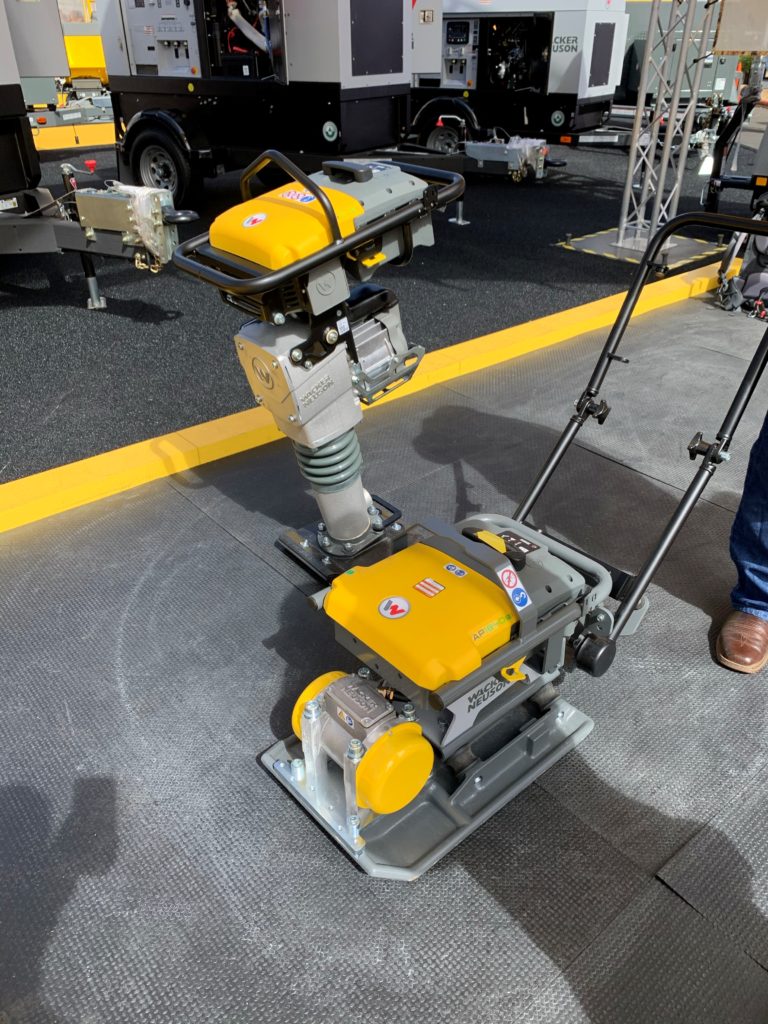
The batteries on these machines run 60 minutes and charge in 80 minutes, which Wacker believes is enough for a typical work day. The machines are surprisingly quiet, given the type of work they do, and they have the added benefit of not emitting fumes into deep excavations with no air flow. The shock system is sufficient that the vibrations barely reach the battery, and they’ve had no issues with vibrations affecting the batteries so far. Unlike with other larger construction applications, and more like in the lawn and garden segment, Wacker believes the demand is already there for battery-powered equipment, and customers will be the ones driving a complete transition to battery rather than OEMs.
EDITOR’S NOTE: Eric Best, engine research analyst at Power Systems Research, is walking the floor at CONEXPO 2020, looking for new engine and power train products.Here is his report on two innovative companies.
Eric Best
FPT Industrial
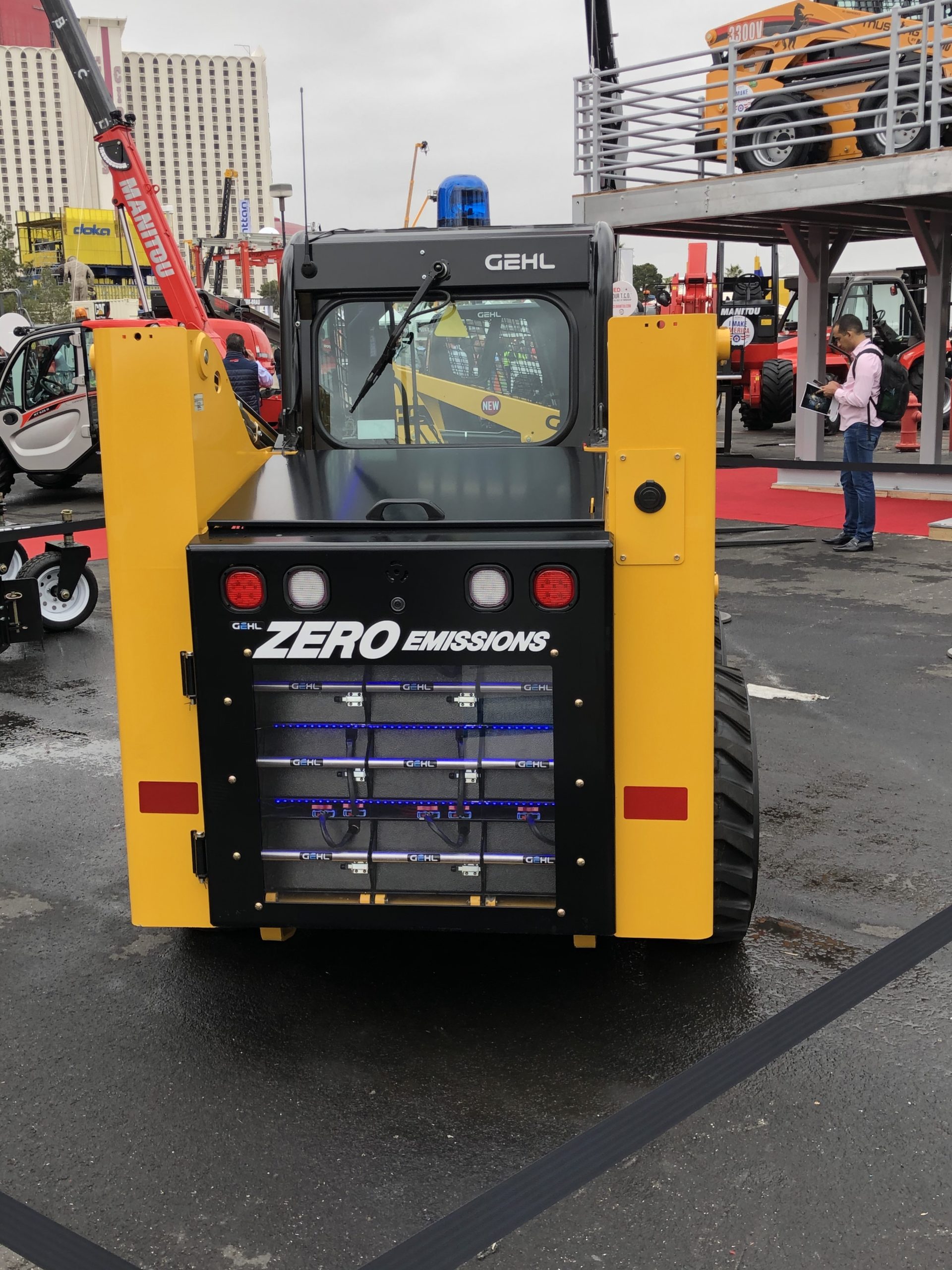
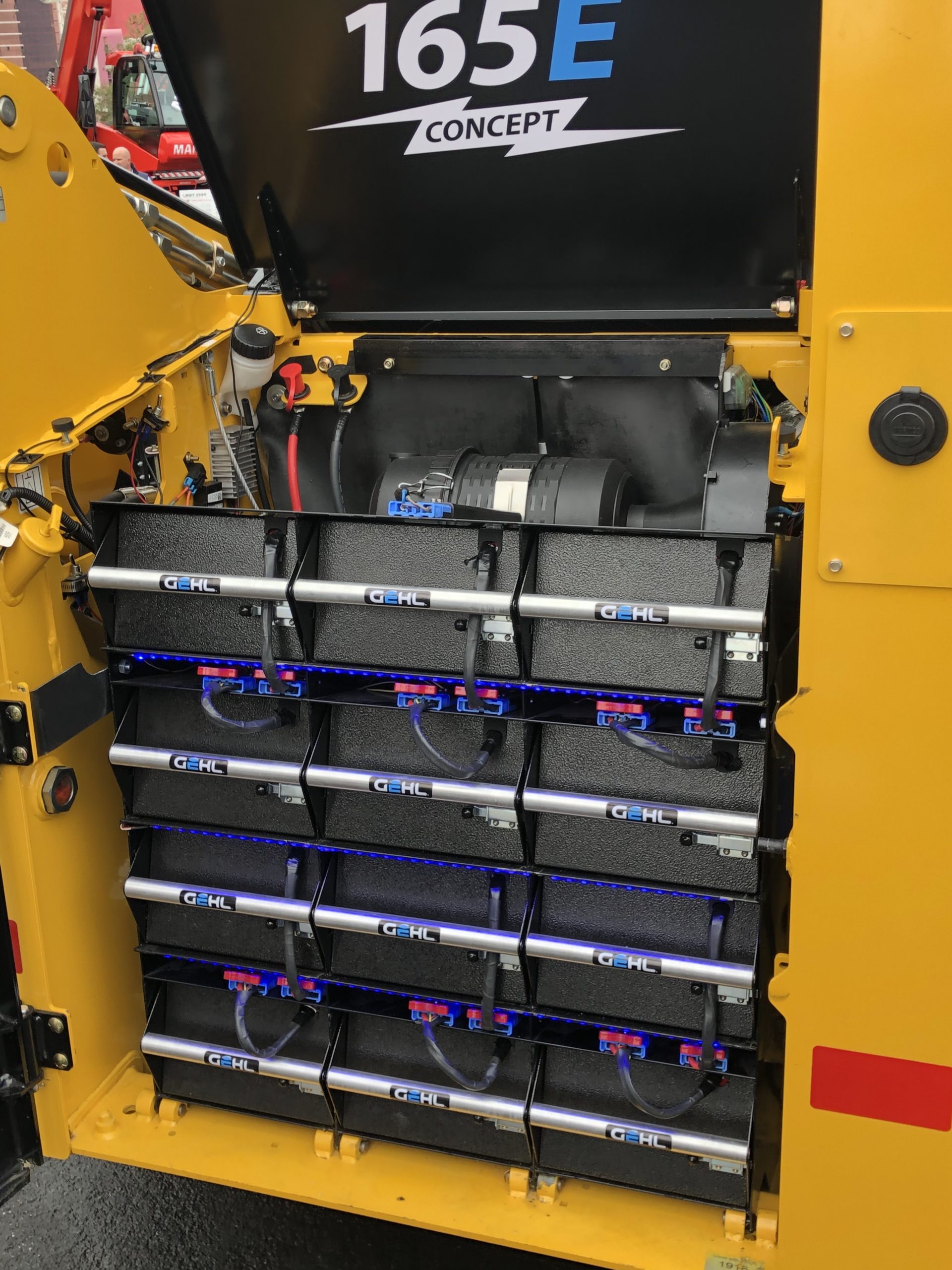
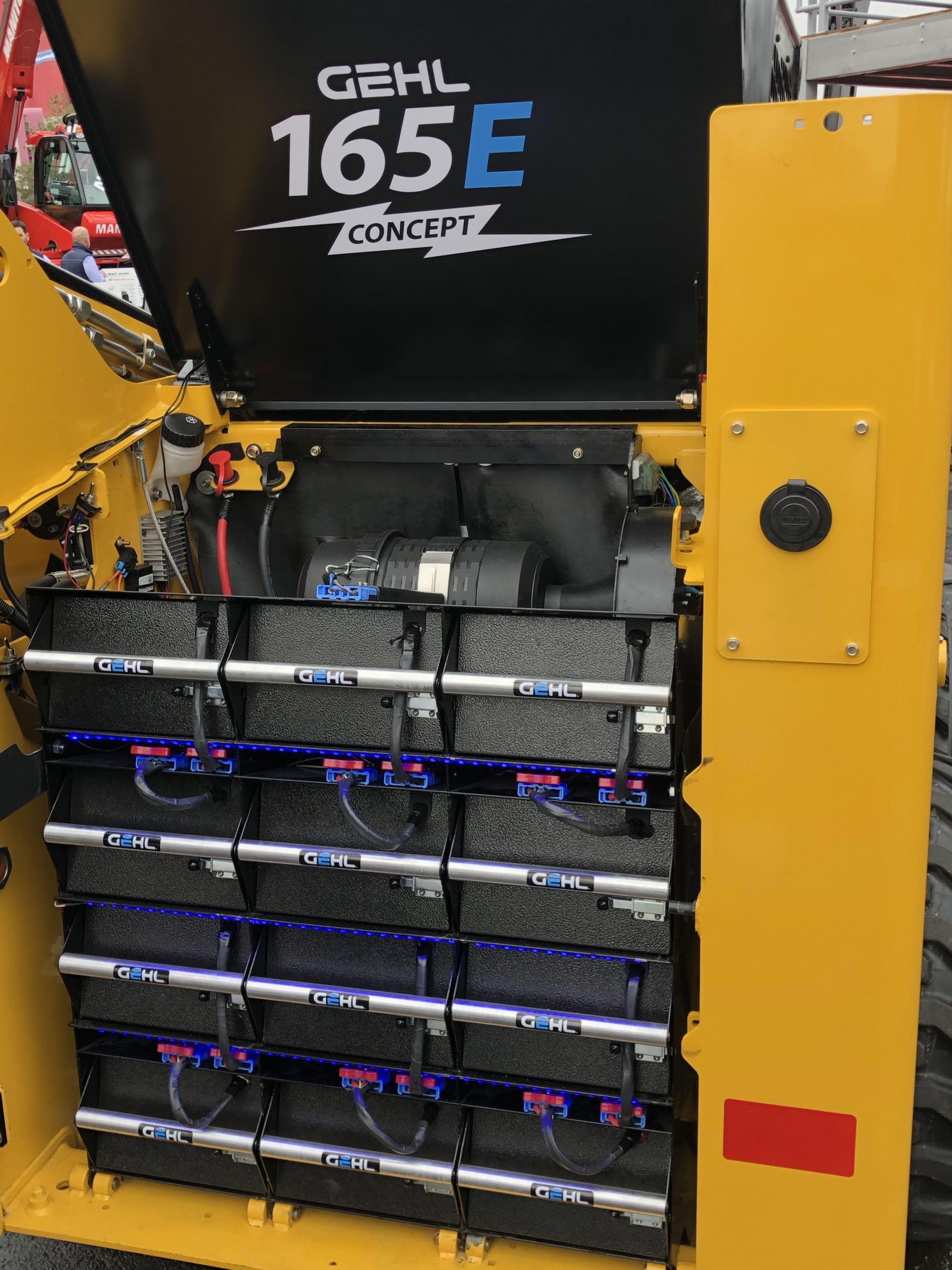
FPT has bought out a methane/natural gas company, a battery company, and a hydrogen company, and my contact has no worries about the future of electrification or alternative fuels.
This information comes from industry interviews
and from two proprietary databases maintained by Power Systems Research: EnginLink™ ,
which provides information on engines, and OE
Link™, a database of equipment
manufacturers.
Market Share: With combined plant totals of 47%, Caterpillar leads in production of Wheel Loaders/Dozers in the United States. In second position is Deere with 22%. Third, is Case New Holland with 8%.
SUMMARY. The North American economy remained stable in 2019 and pure economic conditions as well as fundamentals in the region were favorable. Most industries performed very well, and the short-term outlook remains stable to flat for most market segments. However, we see many new developments that could suggest a shift in the trend.
Yosyf Sheremeta
Consumer confidence declined slightly in December, following
a moderate increase in November. The
Conference Board’s Consumer Confidence Index stood at 126.5 in December, 1.4
points higher than in September 2019.
Per Lynn Franco, Senior Director of Economic Indicators at
The Conference Board: “While consumers’ assessment of current conditions
improved, their expectations declined, driven primarily by a softening in their
short-term outlook regarding jobs and financial prospects. While the economy
hasn’t shown signs of further weakening, there is little to suggest that
growth, and in particular consumer spending, will gain momentum in early 2020.”



 Day 3, CONEXPO