

-
On-Highway Batteries Serve as Emergency Backup Power
Audi and the utility EnBW are pioneering an energy storage facility built on retired electric vehicle (EV) batteries. This partnership is being billed as the solution to a major problem in each industry.

Tyler Wiegert For automobile manufacturers, the question of how to recycle retired batteries has been pressing for some time. Utilities have been struggling with the perverse problem that excess generation from renewable sources has been slowing adoption, as surges from those sources can disrupt the stability of power grids.
EV batteries have a functional life of 3-10 years after they are retired from vehicle use, making them a ready tool for use by utilities.
Portland General Electric Company (PGE) also is seeking to create a more resilient grid for the utilization of renewable energy sources. They are launching a pilot program to incentivize the installation of home battery systems to act as a virtual power plant.
-
2020 NA Utility Vehicle Production: 436,700
This article first appeared in the March 2020 issue of PowerTALK™ News
This is the estimate by Power Systems Research of the number of Utility Vehicles to be produced in North America (Canada, Mexico and the United States) in 2020.

DataPoint This information comes from industry interviews and from two proprietary databases maintained by Power Systems Research: EnginLink™ , which provides information on engines, and OE Link™, a database of equipment manufacturers.
Market Share: With combined plant totals of 32%, Polaris leads in production of utility vehicles in North America. Polaris has plants in Mexico and the US. In second position is Honda with 13%, followed by Deere with 12%.
-
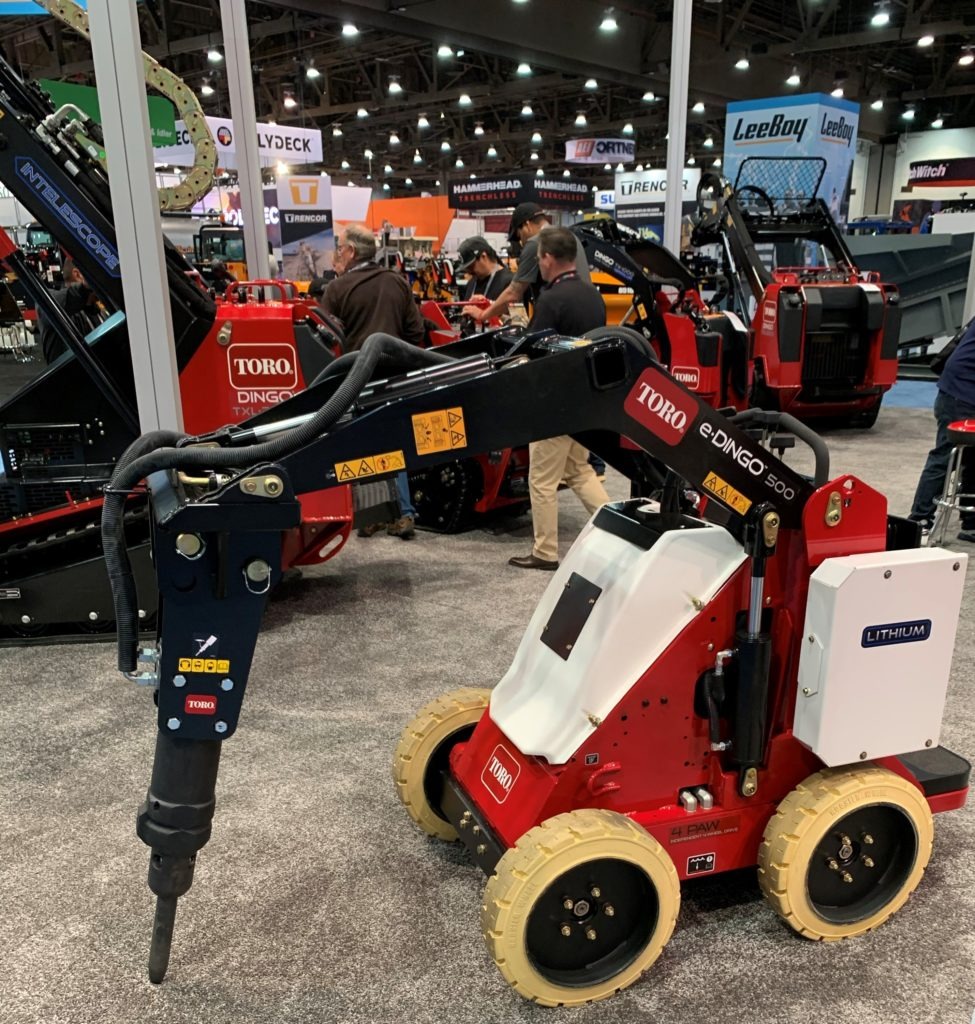
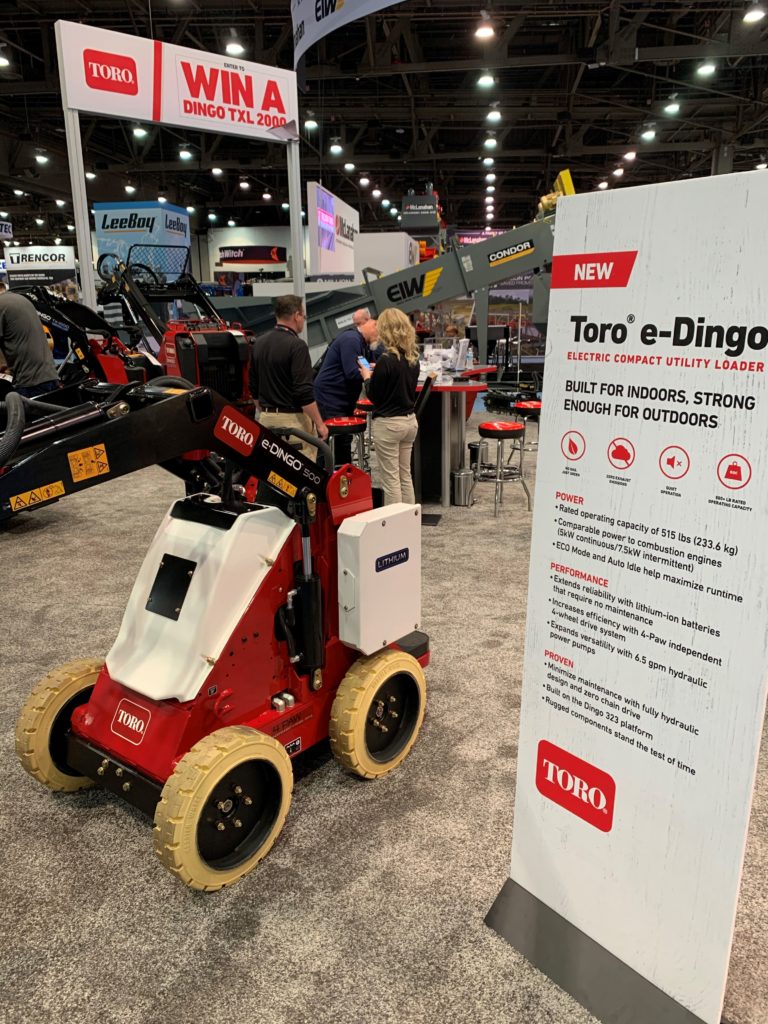
Day 3, CONEXPO
Toro e-Dingo is a battery utility loader released two weeks ago and scheduled to ship in late April. Toro plans to develop remote controlled and/or programmable machines in the future.

TPI
PSR Truck Production Index
Free quarterly global commercial vehicle production report.

Alternative Power Report

The latest EV and power source news including batteries and fuel cells with analysis by PSR experts.

PowerTALK News
Stay informed each month with insights from Power Systems Research’s analysts working around the world as they identify and comment on important news items in the company’s monthly newsletter.
Subscribe View Archive

OE Link™ Offers
Global
Coverage
OE Link™ database provides OEM products, both On-Road and Off-Road, in 12 regions.
Current Reports
Download complimentary reports that show the type of information available from Power Systems Research.
PowerTALK News
Stay informed each month with insights from Power Systems Research analysts working around the world as they identify and comment on important news items in the company’s monthly newsletter.
Subscribe