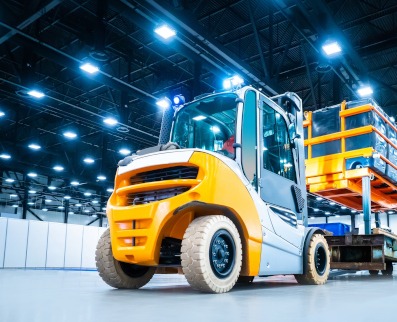
In March, the government of India released the draft proposal for TREM V emission norms, setting in motion what could become the most significant regulatory transition for the off-highway sector since the adoption of TREM IV.
Covering construction equipment, agricultural machinery, mining vehicles, and gensets, the proposed norms represent a decisive push towards global alignment, tighter emission control, and advanced digital monitoring.
TREM V aims to sharply reduce particulate matter, nitrogen oxides, and ultrafine particle emissions by mandating technologies such as diesel particulate filters (DPF), selective catalytic reduction (SCR) systems, enhanced engine calibration, and robust onboard diagnostics. While this brings India closer to frameworks like EU Stage V, it also sets the stage for a disruptive cost cycle for OEMs and customers alike. Early estimates indicate that machine prices may rise between US$ 1,600-US$ 3,200 (₹1.5–3 lakh) depending on horsepower and engine configuration, creating immediate uncertainty around demand planning and inventory strategies.
Source: Autocarproessional Read The Article
PSR Analysis. For OEMs, the proposed norms trigger a complex balancing act. Global players stand to benefit from platform standardization and shared engine architectures already compliant with Stage V in overseas markets. Domestic manufacturers, however, face a steeper climb, requiring R&D reorientation, supplier upgradation, thermal redesign, and new product validation cycles — all in an environment where margins are historically thin. Suppliers of sensors, ECUs, injectors, after-treatment hardware, and telematics could see significant upside, but Tier-2 and Tier-3 vendors risk being left behind if they cannot meet the precision and consistency these technologies demand.
The customer impact could be equally transformational. TREM V machinery will demand cleaner fuel, systematic DPF maintenance, periodic regeneration cycles, and better-trained operators. In price-sensitive segments such as agriculture, resistance to cost escalation may prompt calls for exemptions or extended timelines. Meanwhile, industries like mining and infrastructure, under pressure to adopt cleaner standards, may adopt TREM V faster than expected.
Yet the proposal has gaps that will require careful policy calibration. It remains unclear how TREM V aligns with India’s emerging push toward alternative fuels such as hydrogen, biodiesel, and CNG/LNG for off-highway applications. Fuel quality readiness also presents a challenge, especially outside urban centers, where high-sulfur diesel could jeopardize DPF systems. Economic support for small OEMs and clarity on digital compliance architecture are still missing.
Despite these uncertainties, one fact stands out: TREM V marks a strategic shift rather than a routine emission upgrade. Its successful rollout will determine India’s competitiveness in global machinery supply chains and shape the technology pathways that define the next decade of the country’s off-highway ecosystem. PSR
Aditya Kondejkar is Research Analyst – South Asia Operations for Power Systems Research