

-
Interest Rates Hurt Brazil Heavy Truck Production

Fabio Ferraresi Heavy truck production in Brazil fell 3.7% in Q1 2025 versus the same period in 2024, totaling 16,700 units, according to Anfavea. The decline is attributed to high interest rates (Selic), which have limited fleet renewal despite a record grain harvest.
Heavy truck sales also dropped 7% in the quarter, with 13,000 units registered.
OEM Performance – Heavy Trucks: Volvo: 3,900 units sold (+4% YoY); Scania: 3,500 units (−17%), and Mercedes-Benz: 2,100 units (−13.5%)
Despite the contraction in the heavy segment, total truck production grew 8.2%, reaching 31,700 units. The Medium-duty truck segment production was 8,900 units (+28.5%) and the Light-duty truck production was 4,500 units (+10%)
-
KG Motors To Mass-Produce Ultra-Compact EVs

Akihiro Komuro KG Motors, which manufactures and sells the ultra-compact “mibot” EV, is moving toward mass production of the units. It will start mass production in October 2025 at an assembly plant it has built near its headquarters. The company plans to produce 300 units in FY2025, 3,000 units in FY2026, and 10,000 units in FY2027.
The mibot is a one-person vehicle designed for short-distance travel, with a range of 100 kilometers per charge. The planned price at the time of mass production is 1.1 million yen ($7,700 USD), including consumption tax.
The assembly plant in Higashi Hiroshima City consists of a single production line with a main line of seven processes and a subline of four processes. Since there are only a few parts, the number of processes is less than that of a normal automobile production line.
-
Hyundai Motor Plans To Invest $21 Billion in US
Last month, South Korea’s Hyundai Motor Group announced that it will invest $21 billion in the U.S. over the next four years. In addition to investing $6 billion to build a steel mill in Louisiana, the company will increase its U.S. auto production capacity by 70% to 1.2 million vehicles per year at a cost of $9 billion
The $21 billion investment in the U.S. will be the largest ever made by the Hyundai Motor Group. The investment will be made between 2025 and 2028 and will cover a wide range of fields, including automobiles, steel, parts and energy.
-
Honda To Launch Electric Motorcycles in Vietnam
Akihiro Komuro Honda plans to launch an electric motorcycle in Vietnam this month. The suggested retail price is less than 29 million VND (about $1183) without battery. The company is targeting the younger generation, who often use motorcycles to commute to school.
The name of the motorcycle to be sold is “ICON e:”. It will be manufactured at the company’s Binh Phuoc plant in northern Vietnam and will initially be sold through authorized dealers in seven provinces and cities. The maximum speed is 48 km/h, and it takes about 8 hours to charge the battery from zero to full. The maximum distance that can be traveled on a full charge is 71 kilometers. Because it does not require a driver’s license, which can be obtained at age 18, it is expected to be used by high school students on their way to school.
-
Three China-Owned Auto Companies Plan Merger

Jack Hao The State-owned Assets Supervision and Administration Commission of the State Council (SASAC) officially announced that it would implement a strategic reorganization of the three state-owned automotive enterprises—FAW Group, Dongfeng Motor, and Changan Automobile. The goal is to “build a world-class automotive group with global competitiveness, independent core technologies, and the ability to lead the transformation of intelligent and connected vehicles.”
The combined annual production capacity of the three central state-owned enterprises exceeds 8 million vehicles, yet the market share of their owned brands is less than 15%. The fragmented R&D investment has led to low efficiency in technological advances. After the reorganization, technological synergy will become a core focus. For example, a joint innovation consortium will be established in 28 “chokepoint” areas, such as automotive-grade chips and domain controllers, to concentrate resources on overcoming technological barriers.
-
Farm Mechanization Unlocks Productivity

Farm mechanization in India is steadily evolving from being tractor-centric to encompassing a broader range of machines and technologies aimed at improving agricultural productivity and efficiency. Traditionally, mechanization was equated with the use of tractors, which replaced bullocks in tillage, sowing, and transport operations. The tractor gave Indian farmers a reliable source of power, allowing them to perform heavier and faster field tasks.
A typical pair of bullocks generates just about 1 horsepower (hp), while most tractors sold in India today are in the 41–50 hp range. With nearly 9 lakh units sold annually, tractors form the backbone of India’s farm power economy, contributing over ₹60,000 crore in value terms. Yet, the real shift lies in the rising demand for tractor-mounted and self-propelled farm machinery, driven by the need to overcome agricultural labor shortages and improve overall farm economics.
-
US Tariffs Could Hurt Japan GDP
Akihiro Komuro On April 12, as I write this, things are still in flux. There is a lot of media coverage every day, with reports on the tariffs reaching almost hysterical levels. The reciprocal tariff rate for Japan announced by the U.S. is 24%, which is an unexpectedly high level given the past relationship between the two countries.
As a result, Japan’s real GDP is expected to fall by about 0.6% in the short term (2025) and 1.8% in the medium term (2029). This will have a huge impact on Japan, which has maintained a growth rate of around 3% per year. It has been reported that Japan is currently negotiating with the Trump administration, but it is doubtful whether the current Japanese government will be able to negotiate effectively with the US. We will see whether the terms will be reconsidered after the negotiations in the future.
I would just like to point out one thing: President Trump talks about Japan’s failure to buy American cars as unfair and negligent, but this is a clear mistake. It is true that American cars do not sell well in Japan. GM is the only company with a formal dealer network in Japan, and it is even hard to find GM dealer shops in Japan. Chrysler pulled out in 2018 and Ford in 2016.
TPI
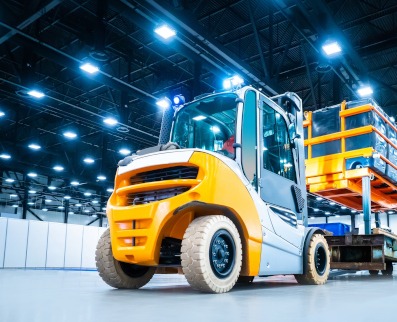
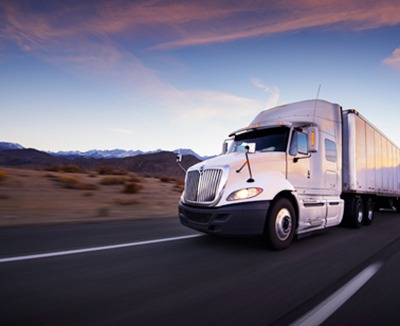
PSR Truck Production Index
Free quarterly global commercial vehicle production report.

Alternative Power Report
The latest EV and power source news including batteries and fuel cells with analysis by PSR experts.

PowerTALK News
Stay informed each month with insights from Power Systems Research’s analysts working around the world as they identify and comment on important news items in the company’s monthly newsletter.
Subscribe View Archive

OE Link™ Offers
Global Coverage
OE Link™ database provides OEM products, both On-Road and Off-Road, in 12 regions.
Current Reports
Download complimentary reports that show the type of information available from Power Systems Research.
PowerTALK News
Stay informed each month with insights from Power Systems Research analysts working around the world as they identify and comment on important news items in the company’s monthly newsletter.
Subscribe