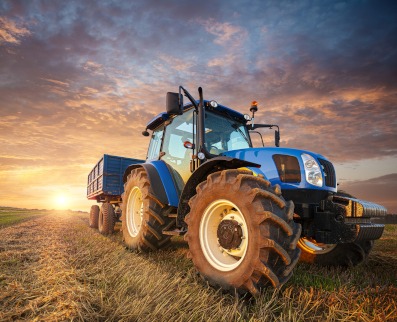
The increase in 2025 rice prices has provided Japanese farmers with more financial flexibility, leading to a surge in demand for upgrades to agricultural machinery. However, farmers are reporting longer wait times for machinery orders, sometimes up to a year. They are expressing concerns such as, “We can’t plan next season’s operations,” and “If delivery is delayed until next year, can we really count it as an expense for this year?”
Many small- and medium-sized farms had delayed replacing machinery due to prolonged low rice prices, opting instead to repair old equipment or purchase used machinery. The 2025 rice harvest, however, saw more farmers gain financial leeway, increasing the demand for replacing or purchasing new machinery.
While agricultural machinery manufacturers have been increasing production of high-efficiency models, such as smart farm equipment, targeting large-scale agricultural corporations, the supply-demand balance has shifted. This has created a situation in which supply cannot keep pace with the sudden surge in demand.
Source: JA.com
PSR Analysis: Delayed delivery times are attributed to increased orders and production delays caused by component shortages, strained manufacturing line resources, and the rising proportion of smart agricultural machinery and high-performance equipment. Additionally, the impact of high material costs and an unstable parts supply have contributed to these delays. At the same time, the National Agriculture and Food Research Organization (NARO) recently announced new agricultural machinery models that have passed safety inspections. This suggests that delays in regulatory compliance and certification are another factor contributing to delivery delays.
The combination of delivery delays and surging demand indicates that the Japanese agricultural machinery market is transitioning. This transition is characterized by “renewal demand, smart agricultural machinery adoption, and supply constraints.”
For manufacturers, this presents an opportunity to generate revenue beyond machinery sales alone. This includes expanding parts supply and after-sales service networks to handle the surge in orders, as well as developing distribution management and resale businesses for used machinery and rental equipment.
However, user demand, which depends on farmers, is strongly influenced by rice prices and policy, requiring caution in long-term revenue forecasting. Rather than hasty capital investment, a business design that prioritizes flexibility and sustainability is preferable. PSR
Akihiro Komuro is Research Analyst, Far East and Southeast Asia, for Power Systems Research